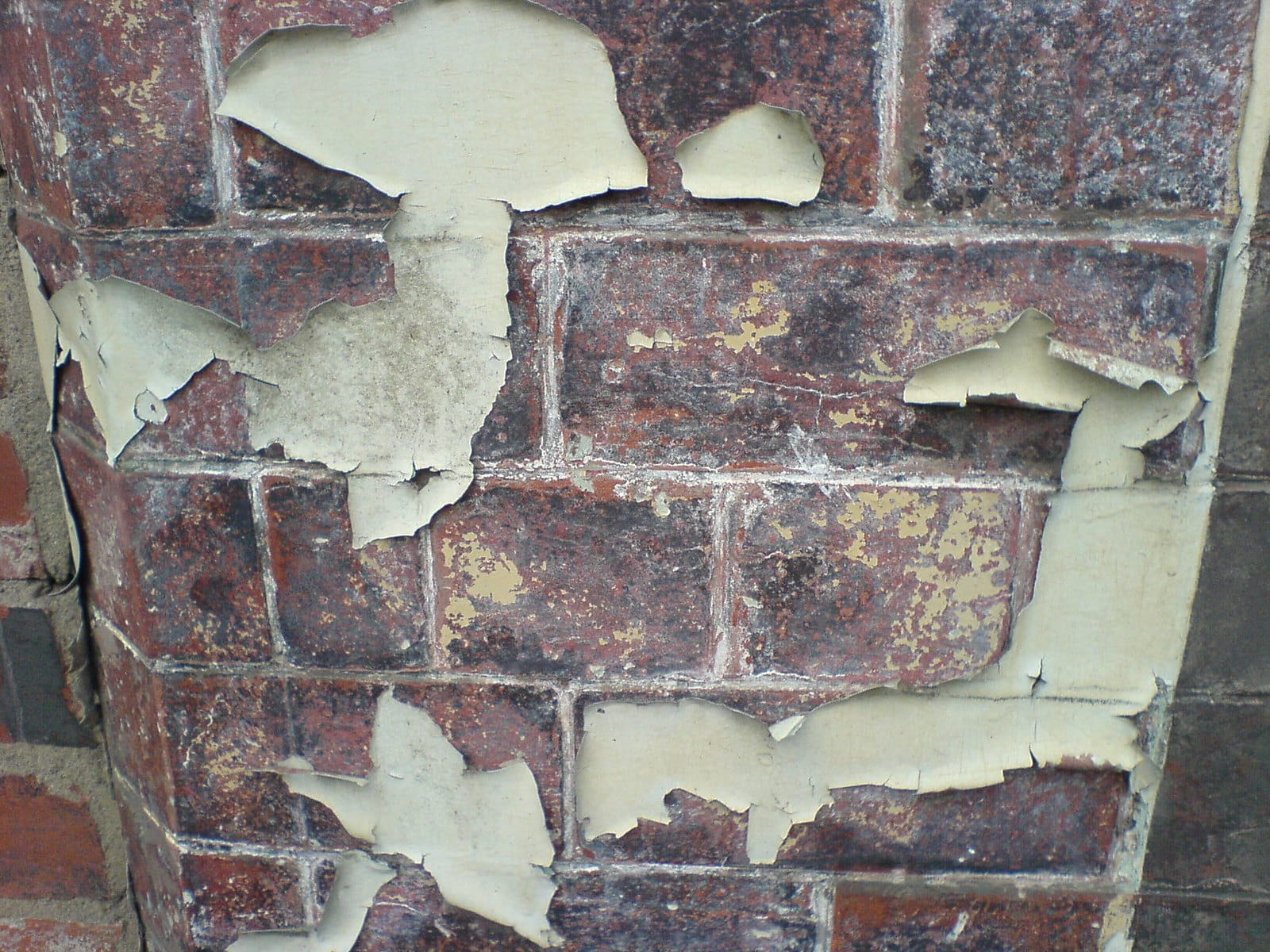
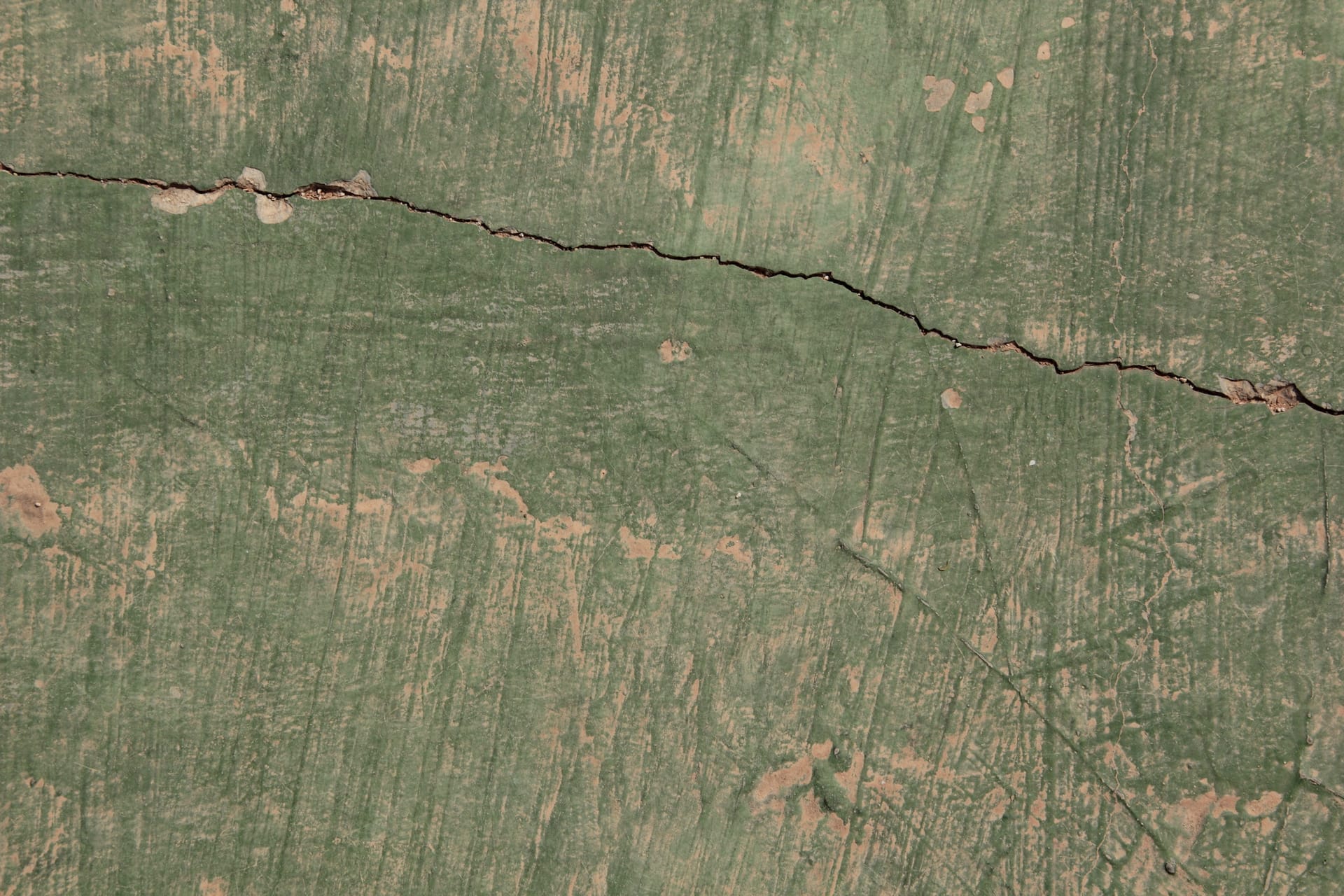
Facade leaks: origin, liability and claim
The facade is one of the hardest water-entry routes to diagnose: the entry point and the point where the damage appears rarely coincide.
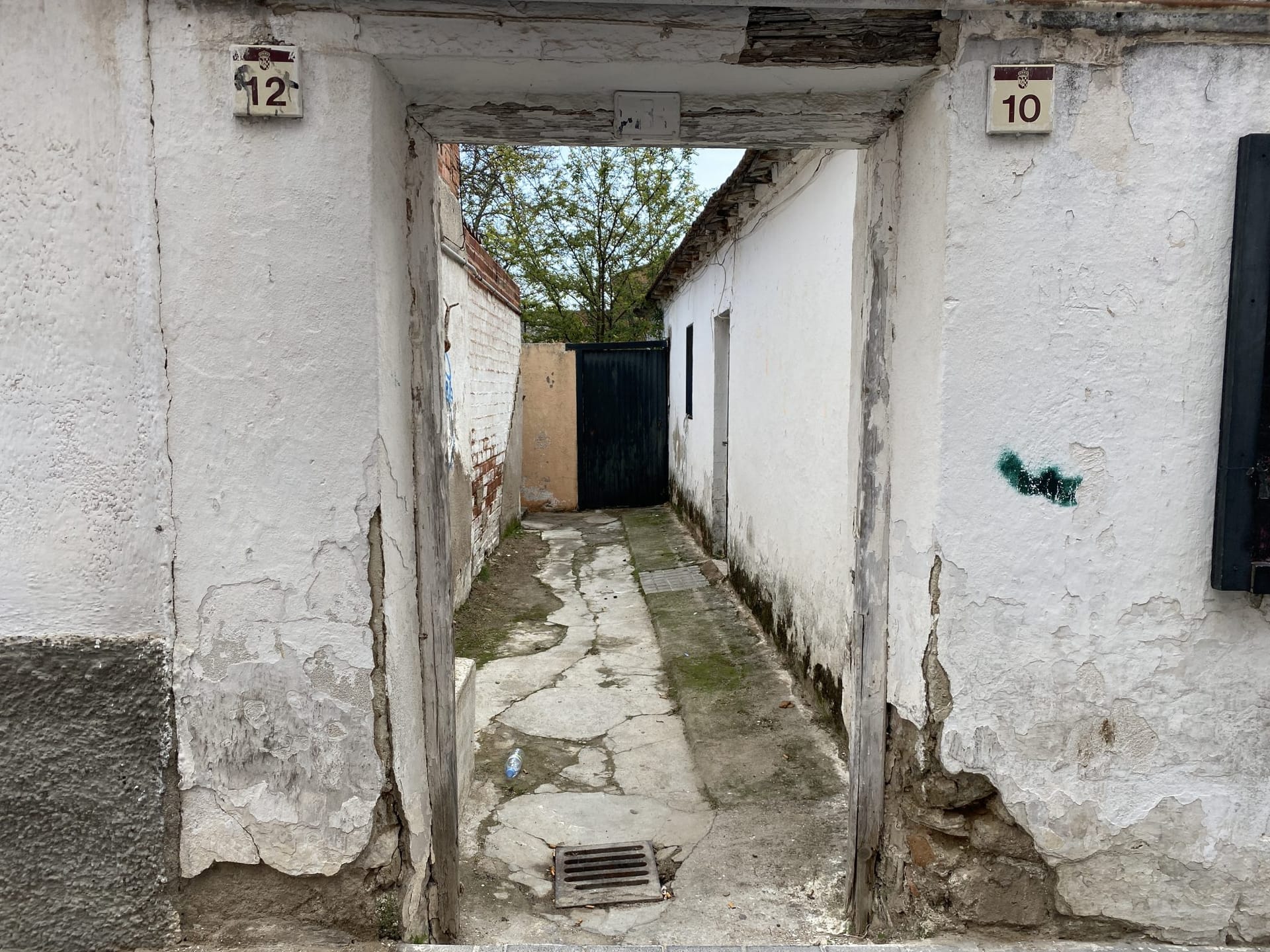
Facade leaks are among the hardest damp pathologies to diagnose: water enters at one point and appears at another, after travelling inside the enclosure. Without a rigorous diagnosis, repairs pile up without solving the problem.
The usual causes
Degraded joints and seals, poorly fitted windows without a water barrier, cracks in the render, defects in ventilated facades or at junctions with the roof and balconies. CTE DB-HS 1 sets the watertightness requirements; its breach is usually at the origin of the pathology.
How the origin is located
Diagnosis combines inspection of the construction detail, thermography and targeted watertightness tests that reproduce water entry in a controlled way. The aim is to identify the real point of entry, not the visible symptom.
Liability and claim
Once the origin is determined, the report delimits liability: builder (execution defect within the LOE period), community (common element) or insurance cover. The subsequent repair is a matter for a specialist contractor.
Frequently asked questions
Why have previous repairs failed?
Because the symptom (the stain) was probably treated without identifying the point of water entry.
Does insurance cover facade leaks?
It depends on the origin and the policy. A pre-existing construction defect usually falls outside cover.
Does it fall within the LOE warranty?
Watertightness affects habitability: 3-year warranty (LOE art. 17).