Concrete carbonation: expert diagnosis (it is not aluminosis)
Carbonation and aluminosis are often confused, but they are different phenomena with different causes and prognoses. Telling them apart changes the claim.
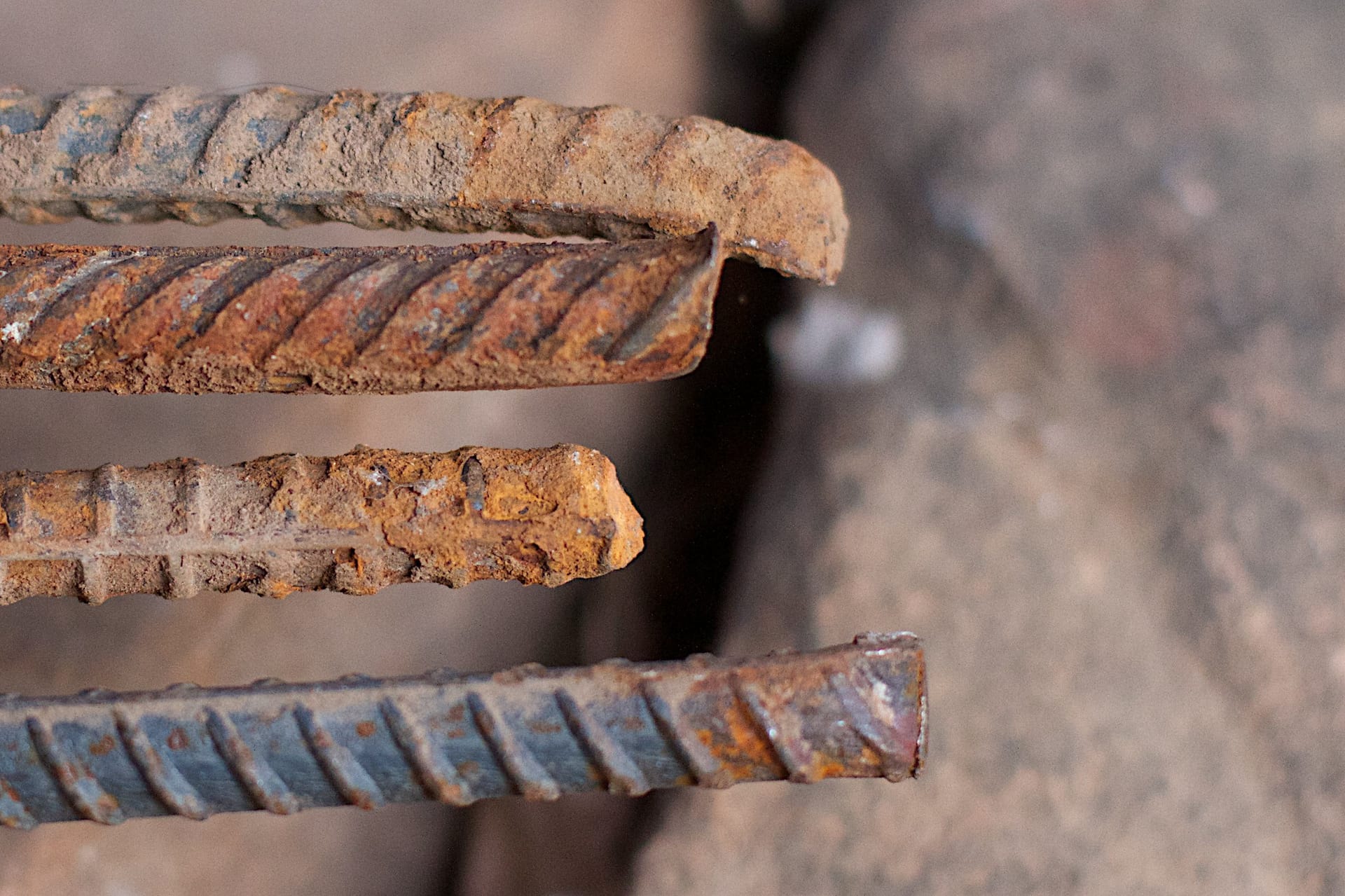
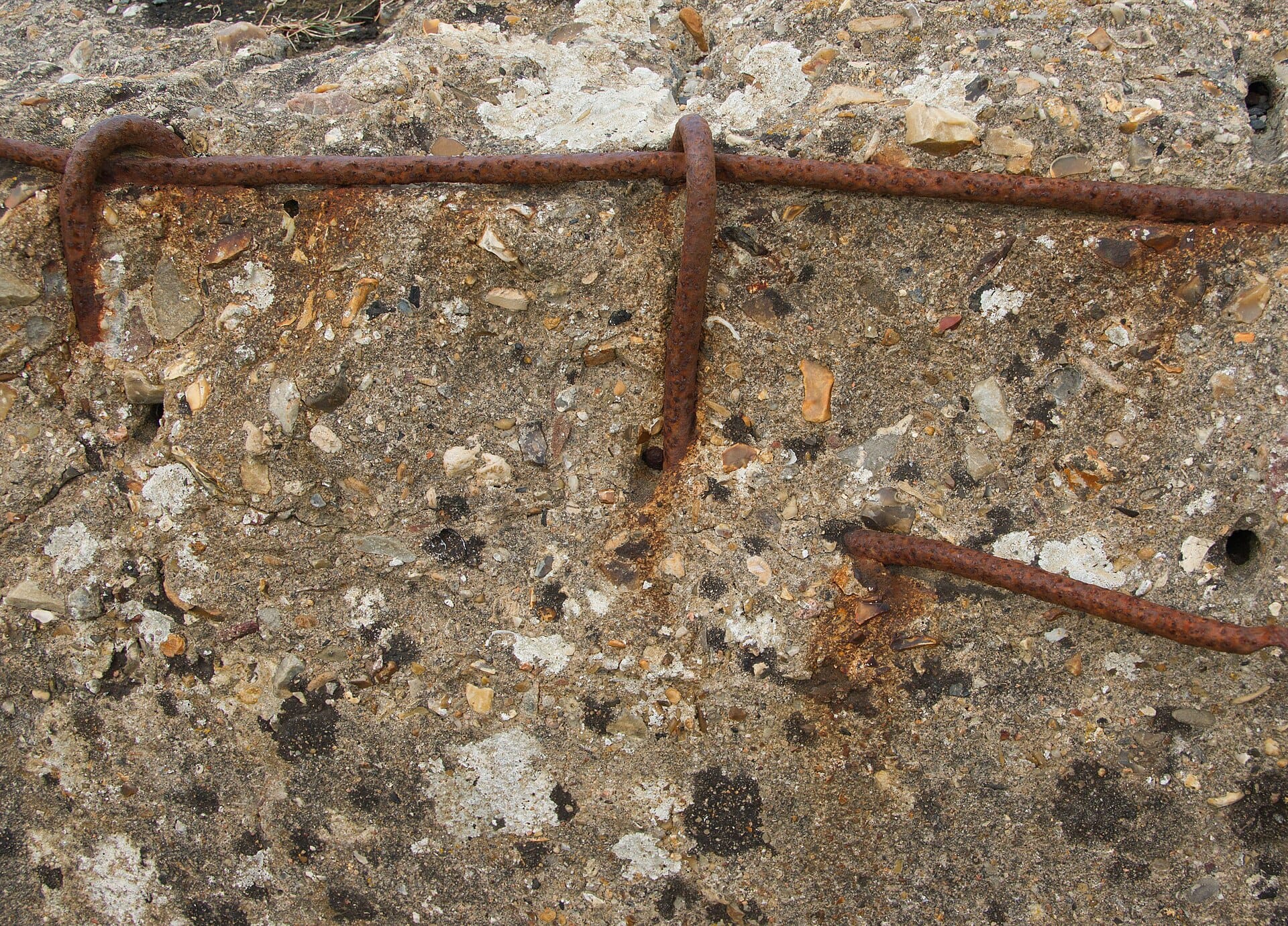
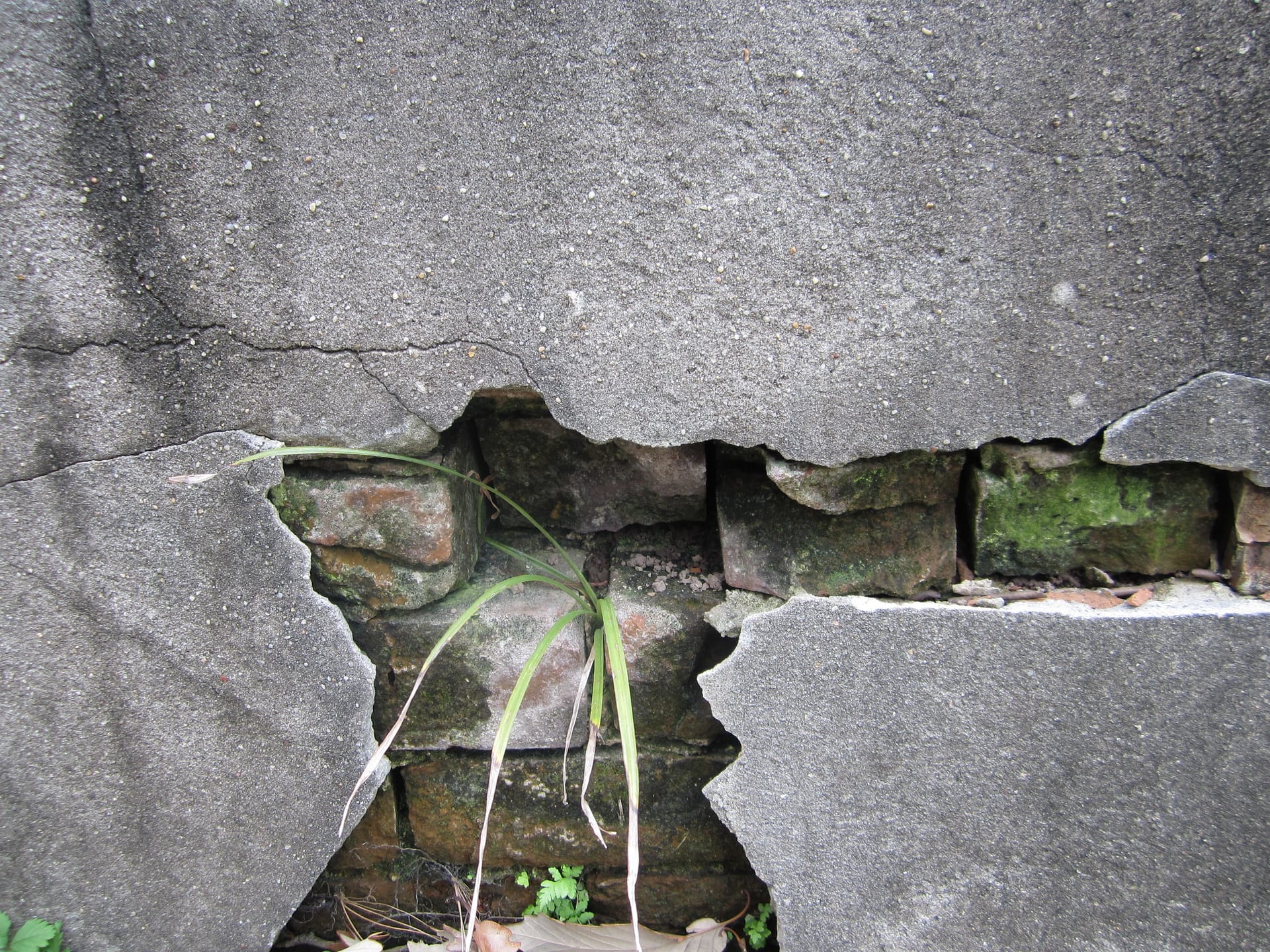
When rusted rebar appears in columns, slabs or beams, "aluminosis" is quickly mentioned. But often the phenomenon is carbonation, a different process worth diagnosing correctly because it changes the cause, the prognosis and the claim.
What carbonation is
Concrete protects the reinforcement because its environment is alkaline. Over time, ambient CO₂ penetrates and reduces the alkalinity (it "carbonates" it); when the carbonation front reaches the reinforcement, it loses its protection and begins to corrode. Corrosion expands the steel, cracks the concrete and causes spalling.
How it is diagnosed
The reference test is the phenolphthalein test: applied to a fresh fracture of the concrete, it stains the sound (alkaline) zone pink and leaves the carbonated one colourless. Combined with measuring the depth of the front and the real cover of the reinforcement, it allows the extent to be estimated.
Difference from aluminosis
Aluminosis derives from the use of high-alumina cement (common in 1950s–70s slabs); it is detected with specific tests. Carbonation affects any concrete through ageing. The differential diagnosis is essential.
Repair (passivation, reinforcement) is a later stage carried out by a specialist technical contractor.
Frequently asked questions
Is carbonation dangerous?
It depends on the extent of corrosion and the reinforcement section lost. The report assesses the residual load-bearing capacity.
Can it be stopped?
Repair seeks to restore the reinforcement's protection. Feasibility is determined by the diagnosis.
Do aluminosis or carbonation trigger the ten-year warranty?
It depends on the building's age and the origin; in new builds, a structural defect fits the LOE ten-year warranty.