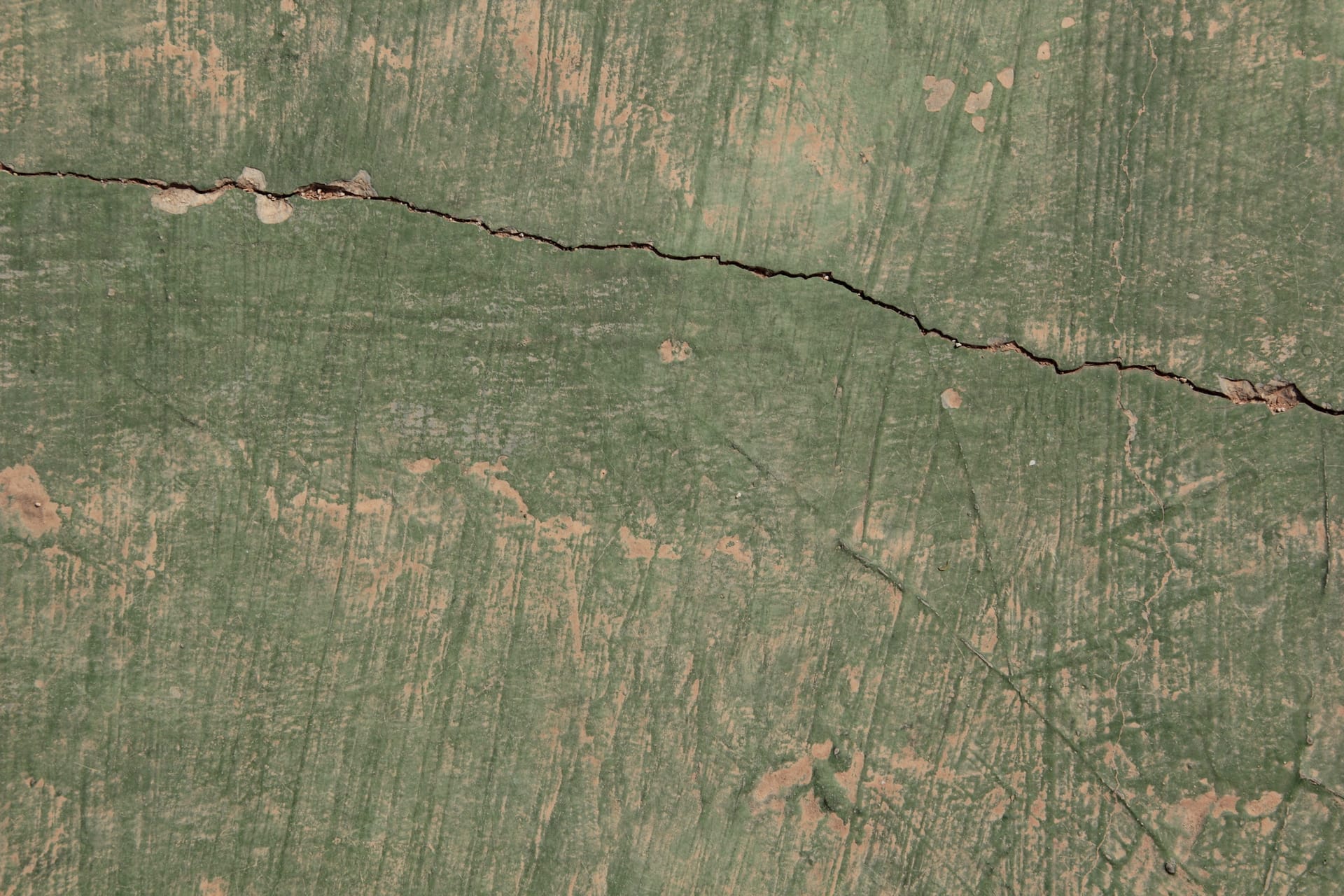
Differential settlement in foundations: how it is diagnosed and proven
Differential settlement leaves a recognisable signature in a building's cracks. Diagnosing its cause —ground, foundation or surroundings— is the step before any repair or claim.
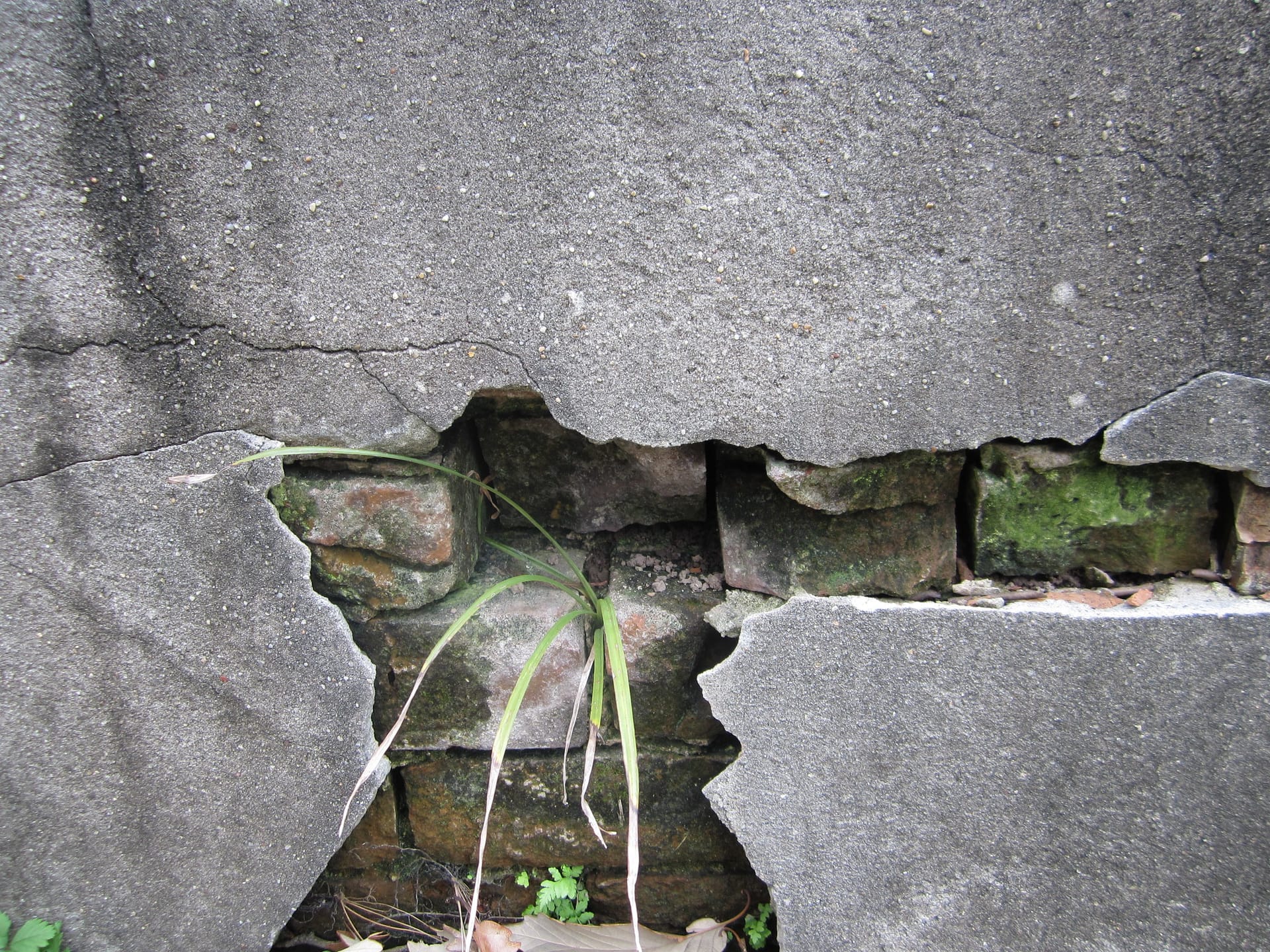
When one part of a building settles more than another, differential settlement occurs: one of the most serious structural damage mechanisms and, at the same time, one that leaves the most recognisable signature on the facade and partitions.
How it is recognised
Differential settlement usually shows as inclined cracks following a path consistent with the ground movement, wider towards the zone that has dropped most. They are often accompanied by tilting, doors that no longer fit and uneven floors. The pattern, width and evolution of the cracks are the first diagnostic clue.
The possible causes
The origin may lie in the ground —expansive soils, poorly compacted fill, changes in moisture—, in the foundation itself —inadequate or poorly built— or in the surroundings: adjacent excavations, pipe leaks washing out fines, nearby trees. Determining the cause requires combining the pathology inspection with geotechnical analysis.
What the expert report establishes
The report determines whether the settlement is active or stabilised, its cause and which structural elements are compromised, with reference to the CTE DB-SE and applicable standards. This information is essential both to direct a claim and to size the intervention.
Repair is another stage
Stabilising settlement —by underpinning, injection or other techniques— is specialist work carried out by a technical contractor once the cause is determined. The report defines the problem; the constructive solution is designed from it.
Frequently asked questions
Do all cracks indicate settlement?
No. Many are thermal, shrinkage or partition cracks. Differential settlement has a characteristic pattern.
How do I know if the settlement is still active?
Through monitoring with tell-tales and comparing measurements over time.
Can it affect the building's safety?
In serious cases, yes. That is why early diagnosis matters.