How to prove hidden defects: the pre-existence test
The key to a hidden-defects claim is not that the defect exists, but proving it existed before the purchase. That is proven technically.
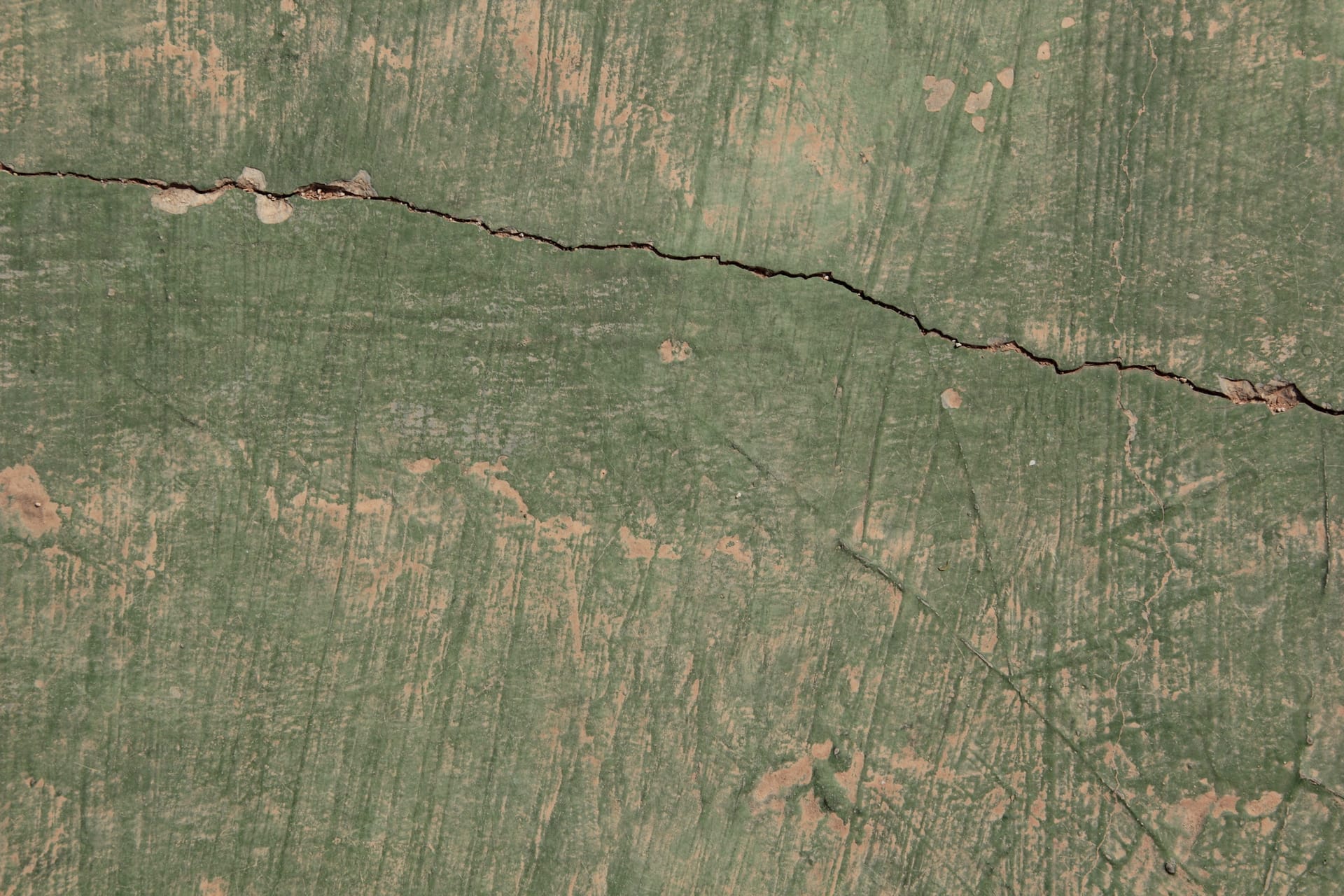
In a hidden-defects claim, the defect is usually obvious once discovered. The hard —and decisive— part is proving that it already existed before the purchase and that it was not apparent on an ordinary inspection. That is where the expert report makes the difference.
What the Civil Code requires
The Civil Code (arts. 1484 ff.) requires the defect to be serious, non-apparent and prior to the sale. The buyer has 6 months from delivery to bring the action (art. 1490), a limitation period running against them. The report must be obtained within that period.
How pre-existence is proven
Pre-existence is established by analysing the degree of development of the pathology. Rising damp, the evolution of a crack or the state of corrosion allow its age to be estimated: damage does not appear instantly, and its technical maturity reveals that it was already present at the time of sale.
Seriousness and non-apparency
The report also establishes that the defect compromises the use of the property (seriousness) and that it was not detectable on a normal visit.
Frequently asked questions
How long do I have to claim?
6 months from delivery (Civil Code art. 1490).
And if the seller says the damage is new?
Precisely the analysis of the degree of development of the pathology allows that claim to be rebutted with technical criteria.
Does any defect qualify?
No. It must be serious, hidden and prior to the sale.