Crack or fissure: how to tell them apart and when to worry
Not every crack is structural, but some are. The path, the width and the evolution are the three clues that separate the cosmetic from the serious.
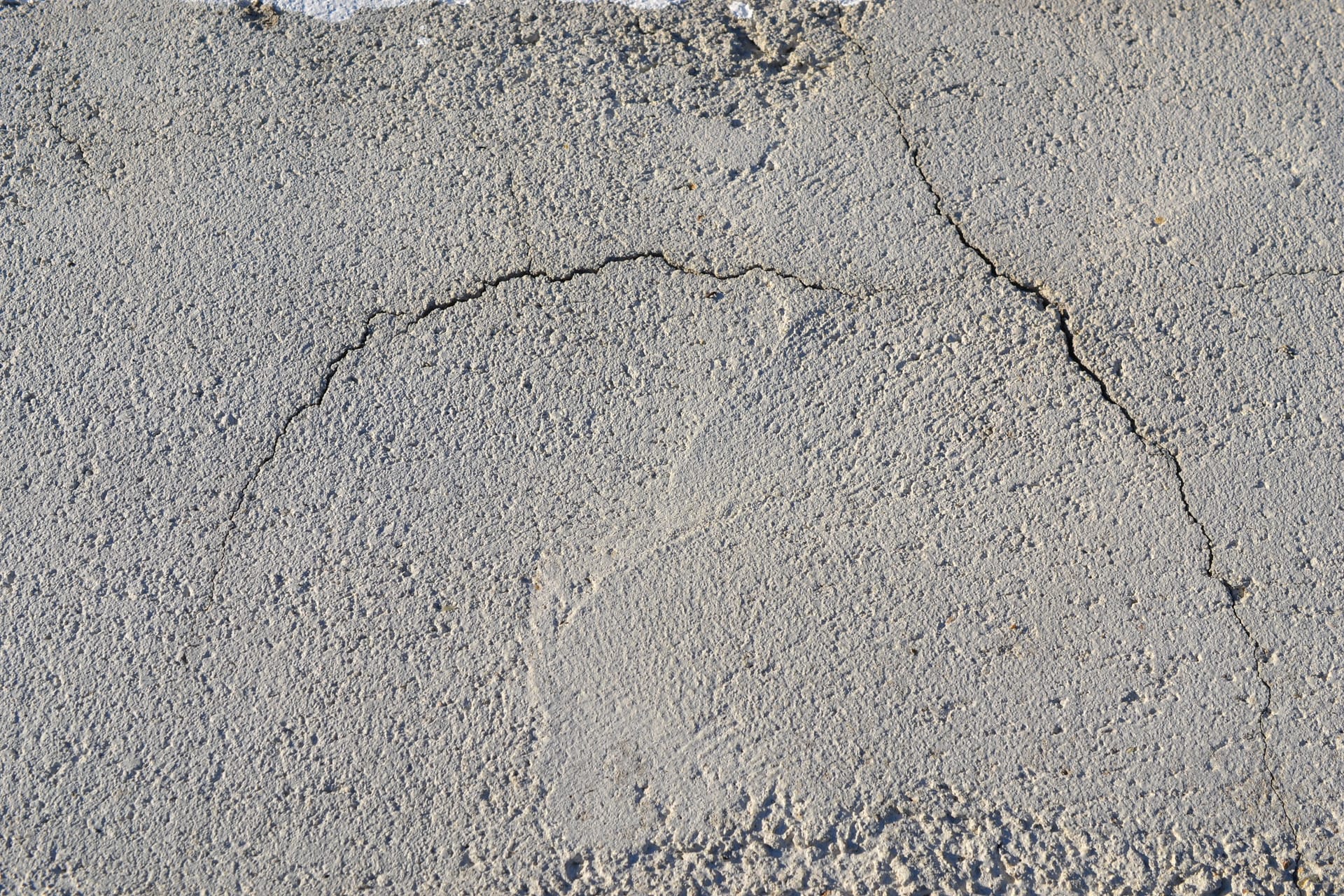
A crack at home causes alarm, but not all indicate a structural problem. Telling a superficial fissure from a crack that compromises the structure is the first step, and it depends on reading three signals correctly.
Fissure versus crack
As a guide, a fissure has a fine opening affecting the finish, and a crack is wider and passes through the element. But width alone is not enough: the decisive factor is the origin.
The three clues
Path: structural cracks usually follow a path consistent with the damage mechanism. Width: above a certain threshold and with a diagonal layout, structural suspicion rises. Evolution: an active crack, growing over time, is more worrying than a stabilised one.
Other causes
Many fissures are thermal, shrinkage or partition cracks, with no structural significance. The report distinguishes the origin before attributing seriousness.
When a report is advisable
When the crack is active, affects load-bearing elements, exceeds a millimetre with a diagonal layout, or is accompanied by deformation.
Frequently asked questions
Is a crack that does not grow safe?
A stabilised crack is less worrying than an active one, but confirming its origin is advisable.
How do I know if it is active?
Through tell-tales and measurements repeated over time.
Can I just fill the crack?
Filling without diagnosis hides the symptom. If the origin is structural, it will reappear.