Unfavourable building inspection (ITE) in Barcelona: what it means and how to act on serious defects
An unfavourable ITE is not the end of the process: it opens deadlines and obligations. Understanding the real extent of the defects avoids both alarm and inaction.
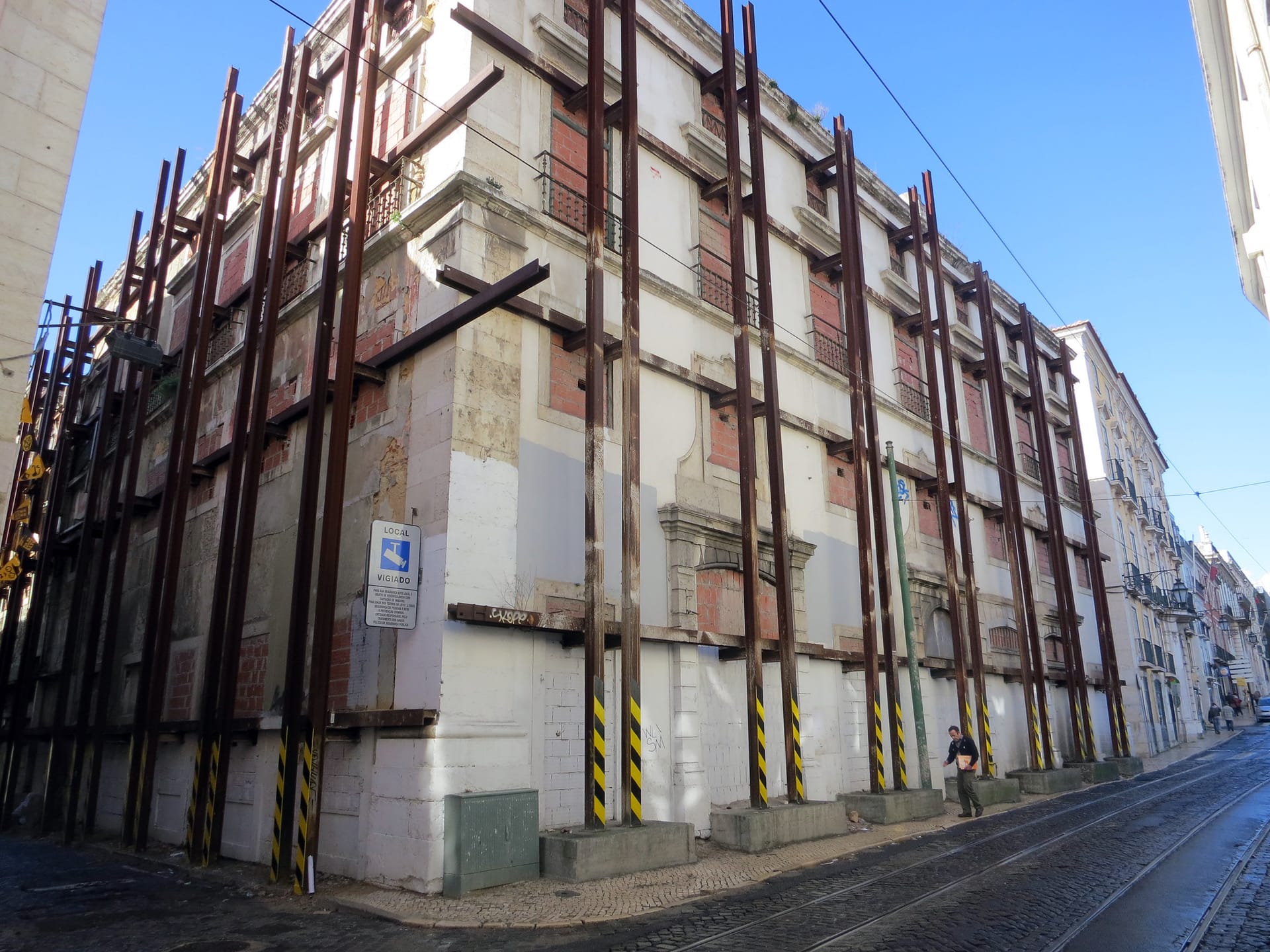
The Technical Building Inspection (ITE) is mandatory in Catalonia for buildings above a certain age. When the result is unfavourable or detects serious defects, many communities react with alarm or, conversely, with inaction. Neither helps: what is needed is to understand the real extent of what has been detected.
What an unfavourable result means
An unfavourable ITE indicates that the building has defects affecting its state of conservation that must be remedied. The rating carries deadlines and the obligation to undertake works, and can affect grants and procedures. Serious or very serious defects require priority action and, sometimes, immediate precautionary measures.
The risk of intervening without diagnosis
The ITE report describes symptoms, but does not always go into the cause or the optimal solution. Undertaking works without a prior diagnosis can lead to treating the symptom and not the origin —very common with damp and structural pathologies— and to spending on repairs that do not solve the problem.
How to prioritise with independent criteria
An independent technical analysis ranks the defects by seriousness and urgency, distinguishes the structural from the non-structural, and defines what must be tackled first and how. This lets the community plan spending and avoid both paralysis and rushed decisions.
When liability is involved
If the defects stem from construction defects still under warranty (LOE) or from a third party's action, the diagnosis may also open a route to claim. In that case the report acquires evidential value.
Frequently asked questions
Which buildings must undergo the ITE in Barcelona?
Those exceeding the age set by Catalan regulations, with periodic renewal.
What happens if the defects are not remedied?
Non-compliance may lead to penalties and loss of access to grants, as well as risk to the building.
Does the ITE assess the cause of the pathologies?
Not in depth. Determining cause, liability and solution requires a specific study.