Assessing an industrial warehouse fire: cause, origin and insurance claim
An industrial fire combines two disputes at once: the cause and origin of the loss and the extent of the damage. Both condition the indemnity and liability.
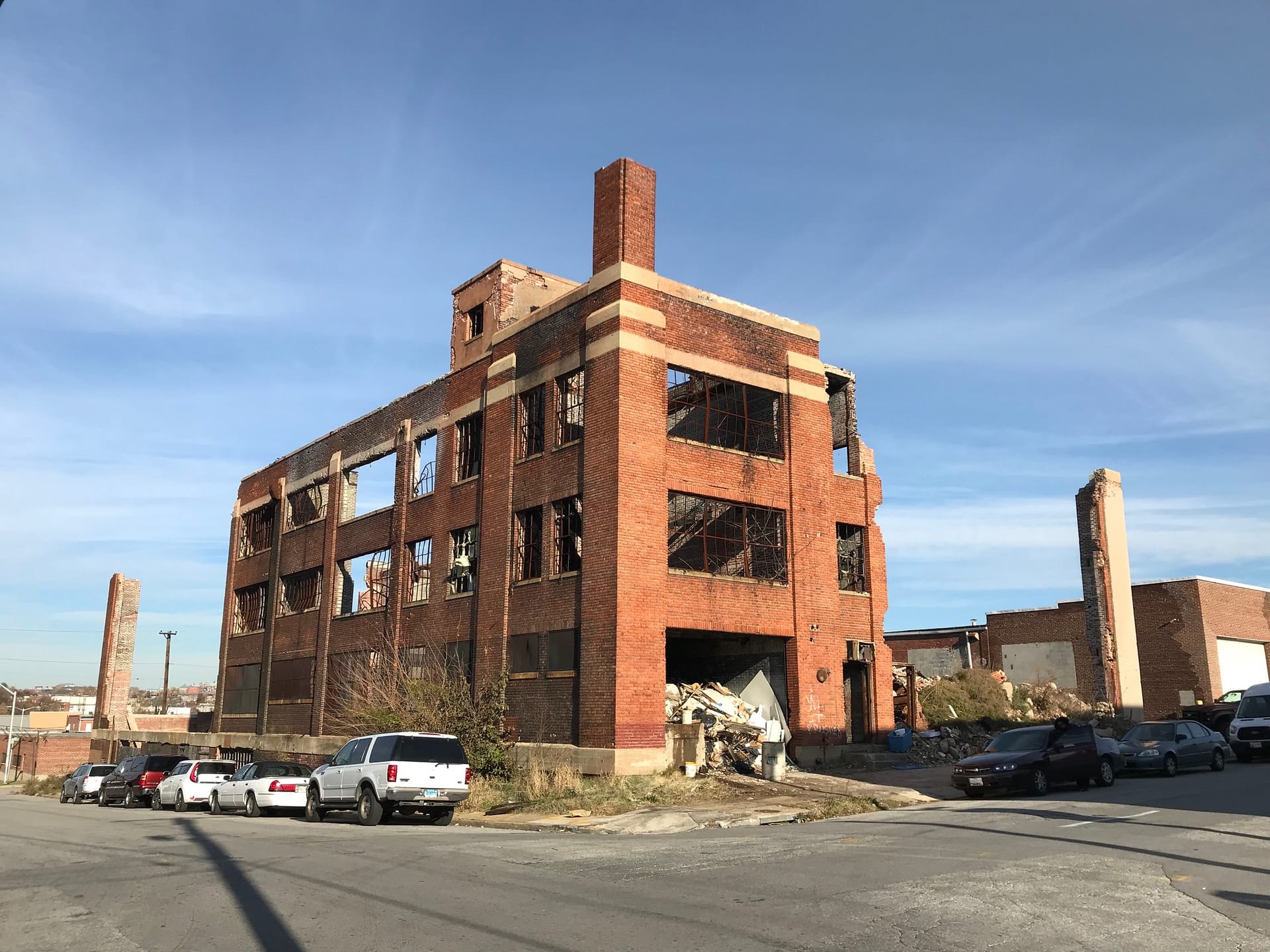
A fire in a logistics or industrial warehouse concentrates high-value losses and complex technical disputes. The assessment must resolve two questions the insurer will scrutinise: the cause and origin of the fire, and the real extent of the damage to the structure and the building.
Cause and origin: the starting point
Determining cause and origin conditions cover. An electrical fault, negligent use, an installation defect or an external cause are not the same. The analysis relies on the damage pattern, the areas of highest temperature and the traceability of the fire, and must be consistent with the loss documentation.
Damage to the steel structure
Heat degrades steel well before melting it: loss of strength in beams and purlins, weld fatigue and roof deformation require assessing whether the structure retains load-bearing capacity or needs replacement. This assessment is decisive in the valuation, because it marks the difference between repairing and rebuilding.
RSCIEI compliance
The Regulation on Fire Safety in Industrial Establishments (RSCIEI, RD 2267/2004) sets the conditions the warehouse had to meet. Checking compliance at the time of the loss is a routine part of the report, because a prior breach may affect cover or the allocation of liability.
Claim and contradictory appraisal
When the insurer's offer does not cover the proven damage, the policyholder can trigger the contradictory appraisal under article 38 LCS by providing their own report. In industrial losses, the valuation gap usually more than justifies the procedure.
Frequently asked questions
What should be done in the first hours after an industrial fire?
Preserve the scene as far as possible, document the state with photographs and do not remove debris until the cause-and-origin inspection has been carried out.
Is a structure that survived the fire safe?
Not necessarily. Steel may have lost load-bearing capacity without collapsing. It requires technical assessment before the warehouse is reused.
Can I claim for loss of profits?
Business-interruption cover depends on the policy. The report documents the time and works needed for reinstatement, the basis for that claim.