Valuing industrial warehouse damage for the insurer
In an industrial loss, valuation decides the indemnity. A verifiable technical report stops the insurer's assessment falling short.
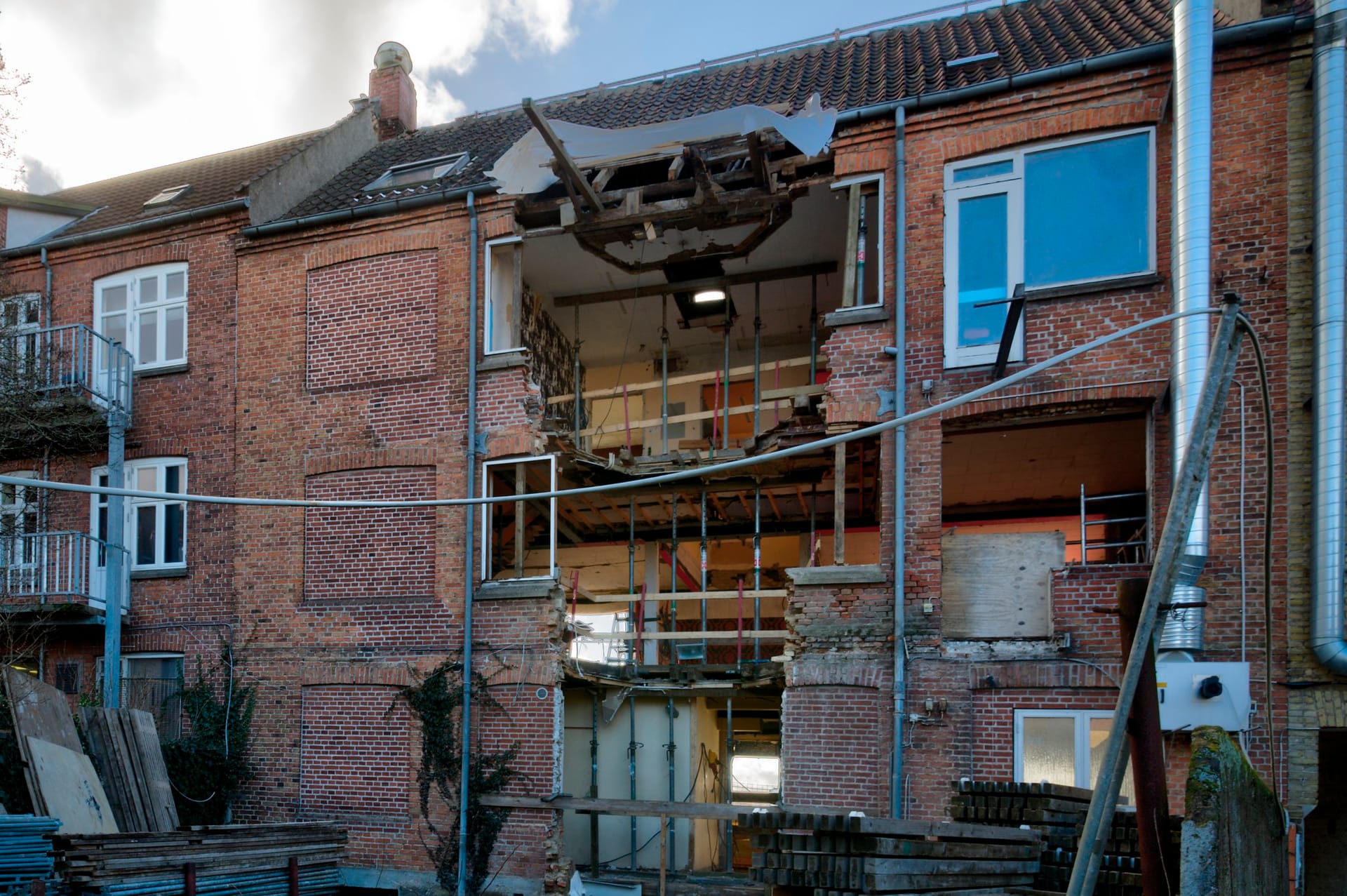
When an industrial warehouse suffers a loss —fire, flood, collapse—, the indemnity depends on how the damage is valued. A superficial assessment usually undervalues significant items; a verifiable technical report documents them.
What is valued
A complete file distinguishes several concepts: the building (structure, cladding, roof, fixed installations), the contents or stock, and, depending on the policy, the business interruption (loss of profits) during reinstatement. Each requires a different valuation approach.
The structure, the critical point
In fires, the key is to assess whether the steel structure retains load-bearing capacity or must be replaced: heat degrades steel before melting it. This decision —repair versus rebuild— is what most affects the amount.
Why a party report helps
If the insurer's offer does not cover the proven damage, the policyholder can provide their own report and trigger the contradictory appraisal (art. 38 LCS).
Frequently asked questions
Does the valuation include loss of profits?
Only if the policy covers business interruption. The report documents the time and reinstatement works.
Is it valued new or with depreciation?
It depends on the policy type (new-for-old reinstatement or actual value).
Can I dispute the insurer's assessment?
Yes, through the contradictory appraisal under art. 38 LCS.