Industrial flooring: TR-34 tolerances and flatness disputes
In logistics, a few millimetres of flatness decide whether a VNA racking system can operate. The assessment contrasts the executed slab with the contractual tolerance.
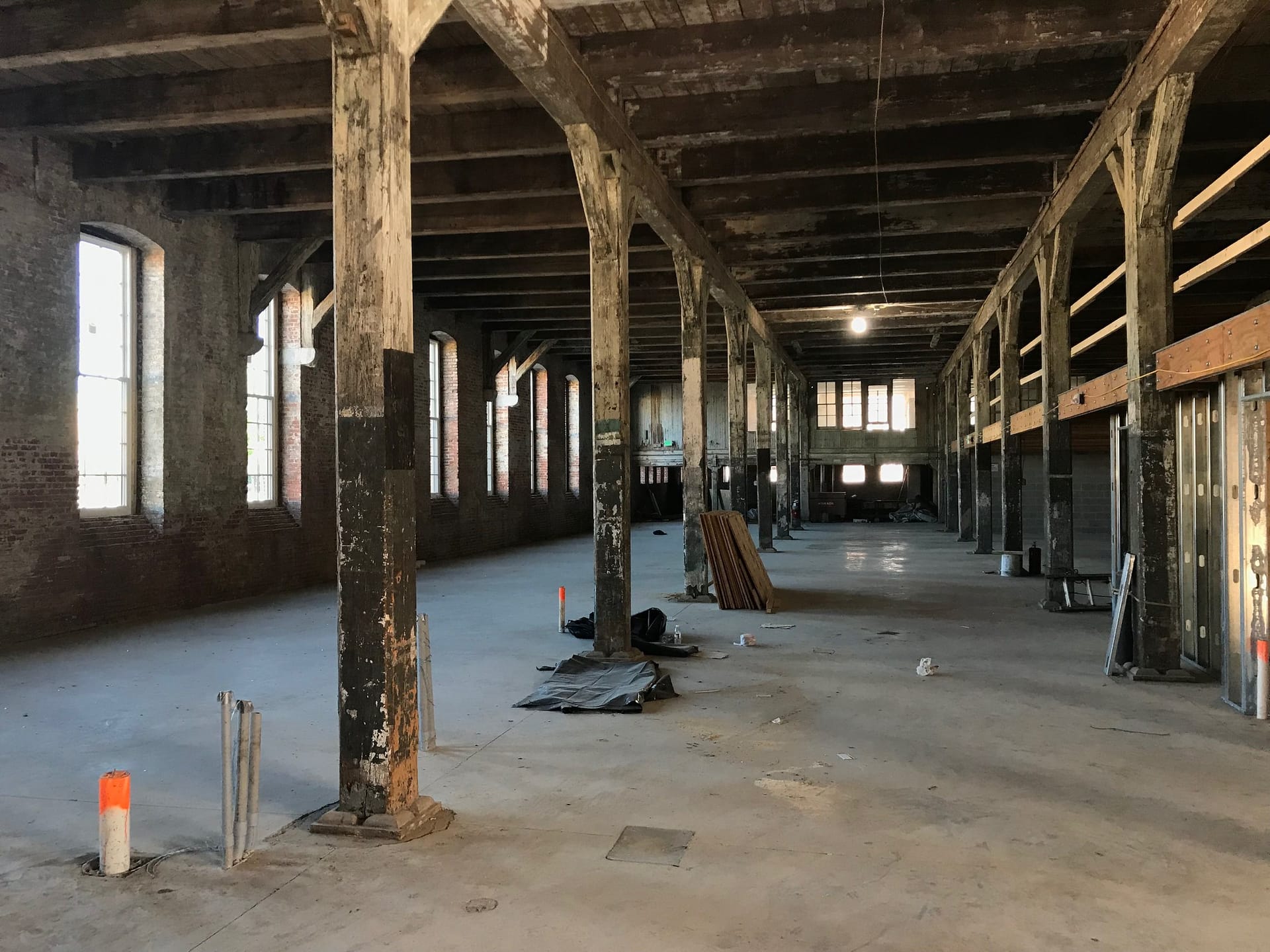
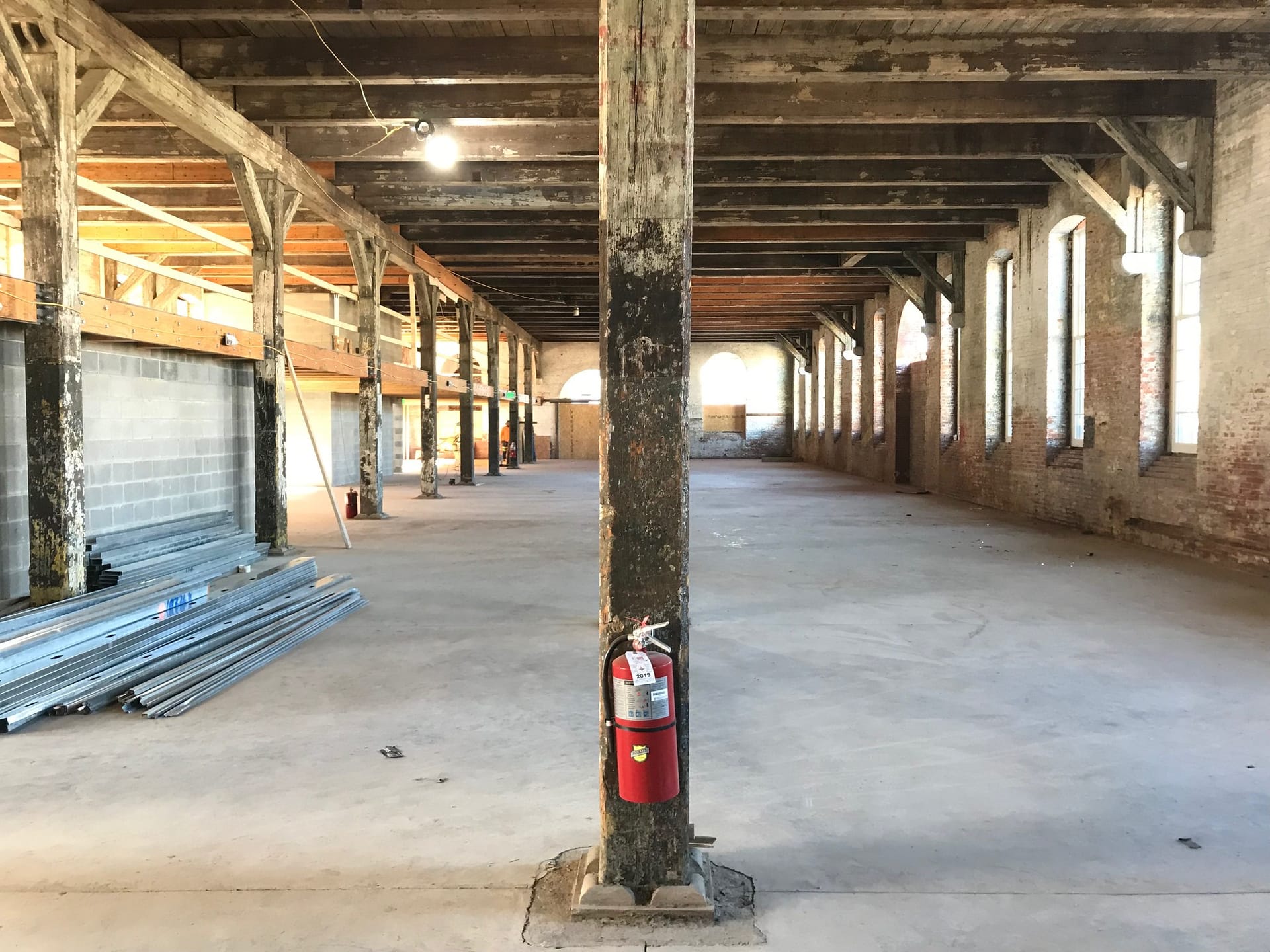
In a logistics warehouse, the floor is not a finish: it is a work surface with demanding tolerances. A flatness defect or generalised cracking can prevent the operation of high-bay racking (VNA) and generate disputes of considerable value.
The usual pathologies
Cracking from shrinkage or slab settlement, poorly executed or sealed joints, surface spalling and, above all, lack of flatness for the intended equipment. Each has a different cause —ground, mix, curing, execution— that the diagnosis must separate.
The role of the TR-34 standard
The technical reference for flatness and regularity tolerances of industrial slabs is the TR-34 standard (Concrete Society). The assessment contrasts the flatness actually executed with the tolerance class contractually required by the type of traffic. This contrast objectifies the breach.
Evidence and repair, two stages
The report determines the cause, measures the deviation from the tolerance and assesses the extent —the evidence stage to claim against the builder under the LOE. Repair of the slab (regeneration, joint treatment, resin flooring) is a separate stage carried out by a specialist technical contractor.
Frequently asked questions
Is cracking in the slab always a defect?
No. Some shrinkage cracking is expected. What matters is its magnitude, its cause and whether it exceeds the allowable.
What is VNA flatness?
The regularity required for very high-bay racking aisles, far stricter than free traffic.
Who is the claim against?
The builder, if the defect stems from execution, within the LOE periods.