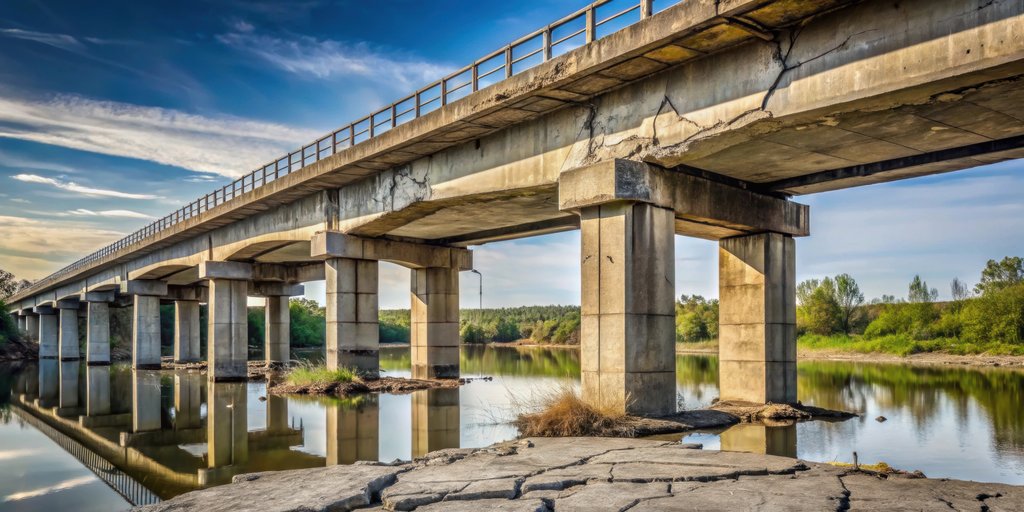
The Alarm: Concrete that 'Explodes'
It is a common image in many garages in Barcelona built decades ago: pieces of concrete on the floor and, on the pillar, steel bars exposed and rusted. Many neighbors mistakenly call it 'aluminosis', but in most cases it is carbonation.
What is Carbonation?
Healthy concrete has a high (alkaline) pH that protects the steel from oxidation. Over time and with CO2 from cars, concrete loses that pH (it carbonates). When moisture reaches the unprotected steel, it oxidizes.
The problem: Rust occupies more volume than healthy steel, exerting brutal internal pressure that breaks the concrete from within.
Is it Dangerous?
Yes. If left untreated, corrosion reduces the useful section of steel in the pillar. Less steel means less capacity to support the weight of the building. In advanced stages, it can compromise global stability.
Solutions: Repair vs. Reinforcement
An expert report will determine the severity:
- Cosmetic Repair (Slight Damage): Cleaning rust, passivating steel, and rebuilding with structural mortar.
- Structural Reinforcement (Severe Damage): If the pillar has lost a lot of capacity, it needs help. Usually applied:
- Metal jacketing: Surrounding the pillar with a steel cage.
- Carbon Fiber: High-strength sheets adhered to the pillar.
Recommendation for Communities
Do not try to cover cracks with normal cement. That only hides the problem while corrosion advances. Request a technical diagnosis to calculate the necessary reinforcement.